The talk was an adhoc talk on how to use android devices for basic pentesting operations
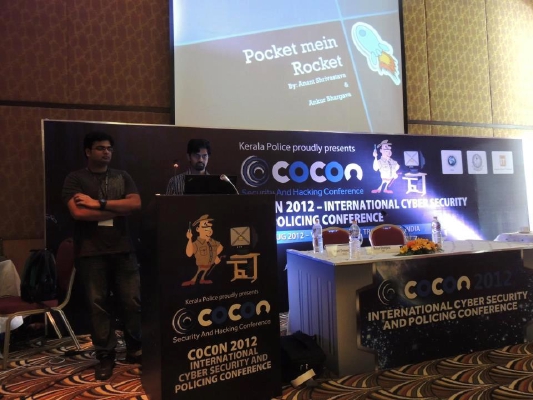
The talk was an adhoc talk on how to use android devices for basic pentesting operations
AI Generated Content Disclaimer
Note: This summary is AI-generated and may contain inaccuracies, errors, or omissions. If you spot any issues, please contact the site owner for corrections. Errors or omissions are unintended.
Pocket Me Rocket was an ad-hoc talk delivered at c0c0n 2012. The session demonstrated how an Android smartphone can double as a portable penetration testing platform, using its Linux base, scripting environments, and network tools for lightweight assessment work in the field.
The session was presented as an impromptu talk, and its title pointed at the core idea: the power of carrying a penetration testing toolkit in your pocket. The argument started from Android’s foundations. The platform’s Linux-based architecture gives security tools a familiar environment to run in, which lowers the barrier to using the phone as an assessment device rather than just a target.
From there the talk moved to tooling. Available scripting environments, SL4A and Python for Android, make it possible to develop custom tools on the device itself, and the network tools already available on Android can perform reconnaissance and basic assessment tasks. Combined with the phone’s built-in WiFi capabilities, that covers wireless network assessment from the same device in your pocket.
The practical portion framed where this shines. Network discovery and reconnaissance run fine from a mobile device. Basic vulnerability scanning works with mobile-optimized tools. Quick security checks slot into physical penetration tests where pulling out a laptop would be impractical or conspicuous. The closing position was measured: mobile pentesting supplements rather than replaces traditional laptop-based testing.